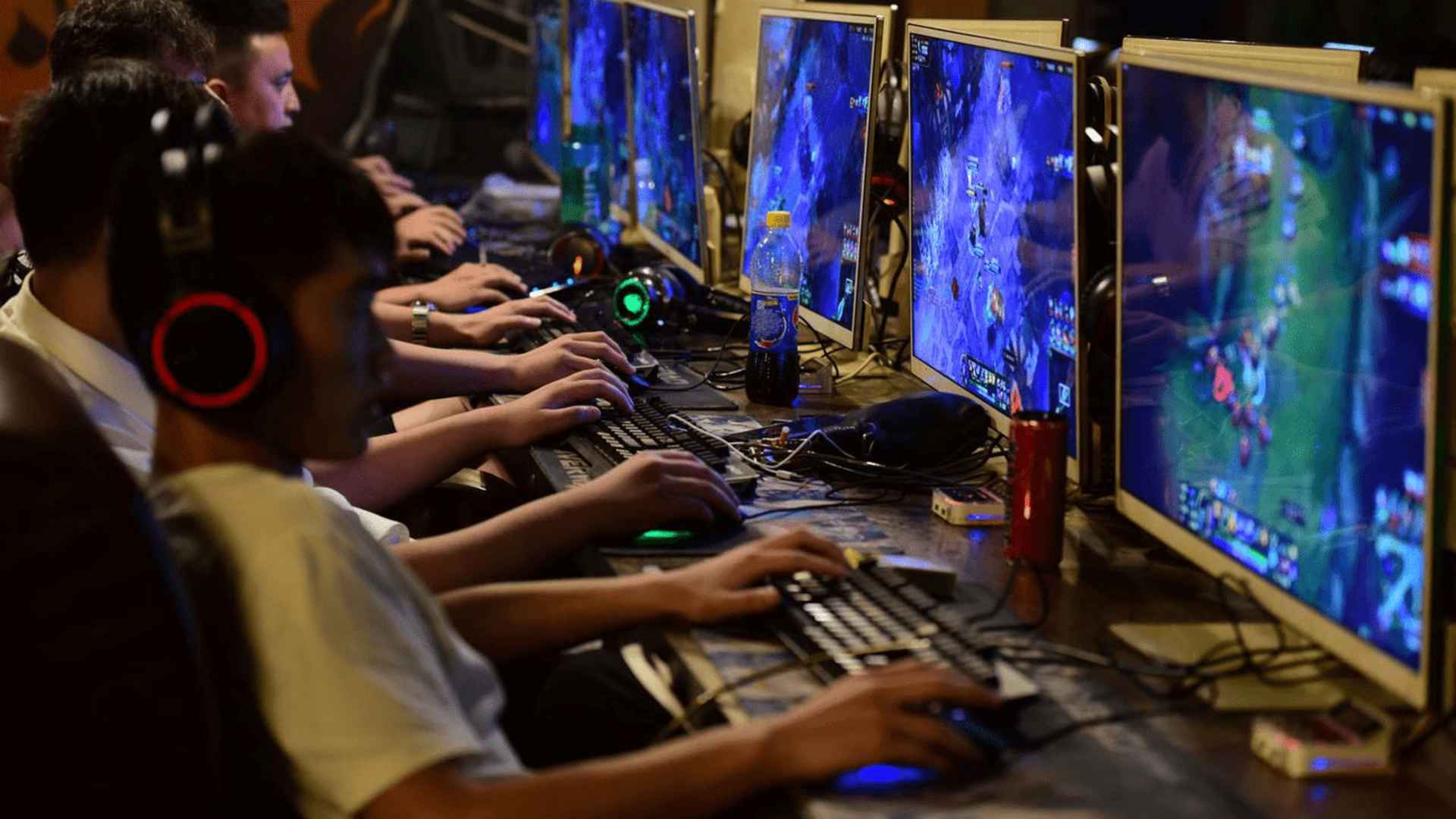
The convergence of virtual sports simulations and competitive gaming has transformed how youth interact with football culture. Today’s young fans no longer just passively watch weekend matches, but actively test their skills in high-stakes digital environments. This intense engagement shapes their emotional resilience, social interactions, and understanding of sports pressure.
The Emotional Highs and Lows of Virtual Competition
Competitive esports offer immediate gratification, but they also introduce young players to sharp emotional swings. A last-minute defeat in a ranked match can trigger intense frustration similar to losing a real-world final. Learning to navigate these emotional shifts helps young supporters build psychological resilience over time.
However, continuous exposure to high-pressure gameplay can lead to gaming fatigue and heightened anxiety. When digital rank becomes tied to personal identity, winning feels essential rather than fun. Parents and educators are increasingly observing how these virtual outcomes directly influence daily mood and social behavior.
Reframing the Spectator Experience
Virtual participation alters how young enthusiasts analyze traditional football broadcasts. Having controlled virtual squads under strict tactical constraints, youth view professional players through a lens of decision-making under stress. This hands-on experience fosters a deeper empathy for athletes facing high-stakes situations on the physical pitch.
Additionally, interactive gaming encourages critical thinking regarding strategic decisions made by coaches. Fans analyze formations, player stamina, and tactical swaps with heightened awareness during live broadcasts. Consequently, their appreciation for real-world athletic performance becomes far more sophisticated and nuanced.
Social Dynamics and Community Support Systems
Online competitive leagues provide a unique space where young fans form bonds over shared athletic passion. Teaming up or competing against peers around the globe cultivates teamwork, communication skills, and digital camaraderie. These shared experiences create a strong sense of belonging within global fandom networks.
On the flip side, online spaces can sometimes host toxic interactions and excessive competitiveness. Unchecked verbal aggression during matches can negatively impact a young player’s confidence and social wellbeing. Developing healthy boundaries within online gaming communities remains crucial for maintaining positive mental health.
Promoting Balanced Engagement for Healthy Fandom
Achieving a healthy balance between screen time and real-world activities is vital for young sports enthusiasts. Encouraging physical sports participation alongside digital gaming ensures a well-rounded approach to athletic enjoyment. Setting clear boundaries prevents virtual stress from bleeding into everyday routines.
Ultimately, competitive gaming can serve as a positive tool for personal growth when approached mindfully. Open conversations between parents and youth regarding game-induced frustration can turn digital losses into valuable life lessons. Embracing moderation ensures that young football fans enjoy the thrill of competition without compromising their mental well-being.